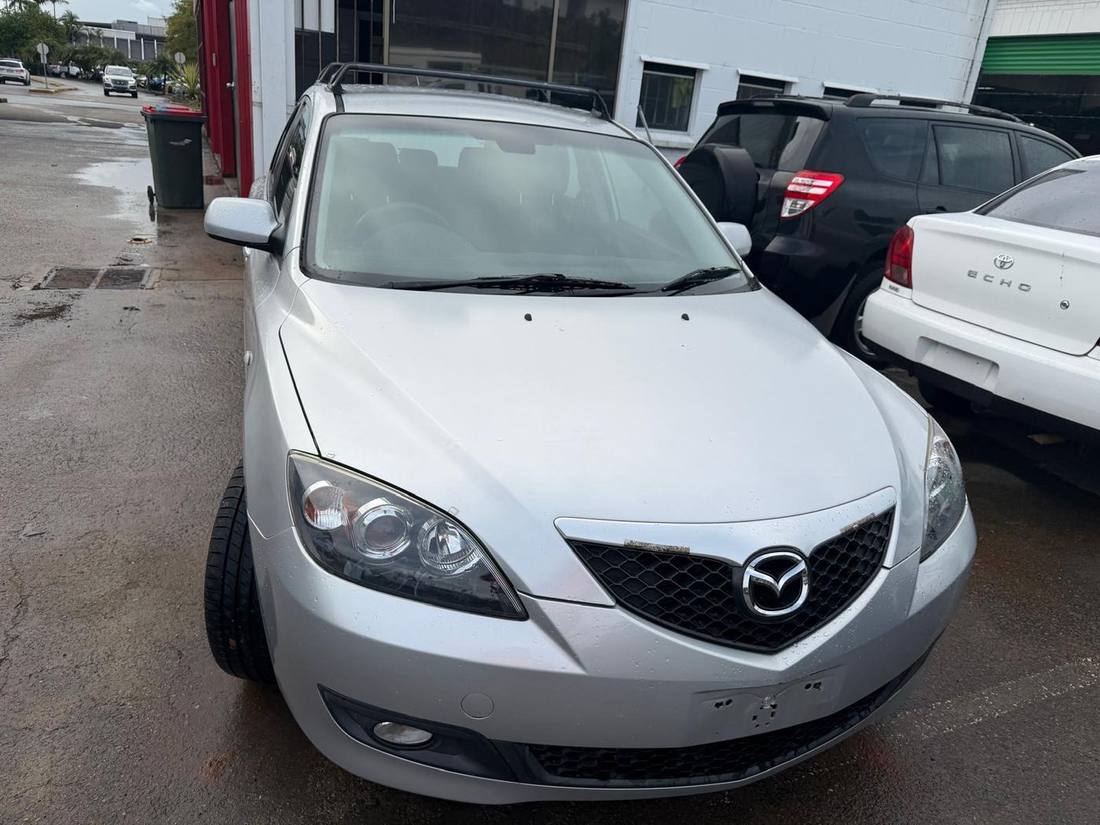
When an insurer declares your car a write-off, the payout you receive is rarely the end of the story. Depending on how the write-off is classified, you may still own the vehicle, and it may still be worth a meaningful amount of money.
Statutory versus repairable write-offs
Queensland separates written-off vehicles into two categories, and the difference matters enormously for value.
A statutory write-off can never be registered again in Australia. The damage is severe enough that the vehicle is permanently retired from the road. Its remaining value lies entirely in recoverable parts and scrap metal.
A repairable write-off can be re-registered, but only after passing a written-off vehicle inspection. These carry more value, because the vehicle can potentially return to the road rather than being dismantled.
If you are unsure which category applies, your insurer's assessment paperwork will state it, and the vehicle will appear on the Written-Off Vehicle Register.
What actually determines the offer
Recoverable parts
This is usually the largest factor. A car written off for front-end collision damage may have an entirely undamaged engine, gearbox, rear panels, interior and electronics. Those parts hold real resale value. A vehicle written off for flood or fire damage typically has far less to recover, because water and heat affect components throughout.
Make and model demand
Parts are only worth something if someone needs them. Common models on Queensland roads — Hilux, Ranger, Corolla, Mazda3 — have steady parts demand. Rarer imports often have less, despite being worth more when intact.
Weight and metal content
Underneath everything sits the scrap metal value. Larger vehicles carry more steel and aluminium, which is why a written-off ute or four-wheel drive generally outperforms a written-off hatchback.
The catalytic converter
If the vehicle still has its catalytic converter, say so when asking for a quote. It contains small quantities of precious metals and remains one of the more valuable individual components.
Can you keep the car after a payout?
Often, yes. Insurers frequently offer the option to retain the wreck for a reduced settlement. Whether that makes sense depends on what you can then do with it. If you have no intention of repairing it, keeping the vehicle only makes sense if its salvage value exceeds the reduction in your payout.
This is where a quote before you decide is worth having. Knowing the salvage figure lets you compare properly rather than guess.
What you need to sell one
- Photo identification
- Proof of ownership, which may be your registration papers or the insurer's settlement documentation
- Confirmation of the write-off category, if you have it
If the registration has been cancelled, plates should be returned to the Department of Transport and Main Roads. Any remaining registration may be refundable.
Getting an accurate figure
Describe the damage honestly, including what still works. A written-off car with a sound engine and clean rear half is worth considerably more than one where the same damage is spread across the vehicle, and an accurate description produces an accurate offer rather than a hedged one.
Photographs help more than anything else. Send images of the damage, the interior and the engine bay, and the quote comes back specific rather than cautious.
Call 0405 294 555 or send photos via WhatsApp for a free, no-obligation offer. Towing is included at no cost, and payment is made on collection.