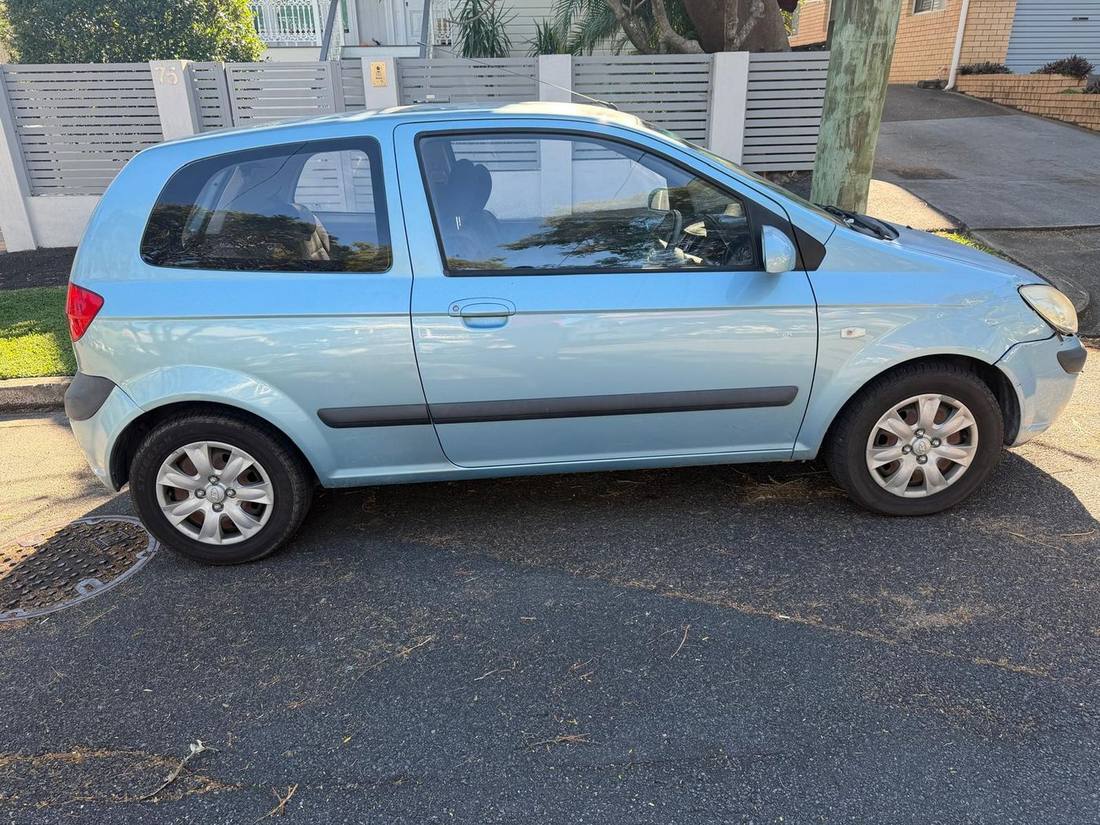
The tow truck pulls away with your old car on the back, cash is in your hand, and that's the end of the story — for you. For the car, the journey is just beginning, and it's a lot more organised than most people imagine. Here's what actually happens next.
Step 1: Depollution — the clean-out
Before anything else, the car is made environmentally safe. Wreckers drain and capture every fluid: engine oil, coolant, brake and transmission fluid, fuel and air-conditioning refrigerant. The battery comes out for separate recycling, and airbag systems are neutralised. Done properly, none of this ends up in Brisbane's soil or waterways — which is the single biggest reason to sell to a reputable buyer rather than letting a car rot in the yard.
Step 2: Parts recovery — the second life
Next, anything with resale value is carefully removed and catalogued: engines, gearboxes, alternators, starter motors, undamaged panels, lights, wheels, seats and electronics. These parts go on to keep other cars on the road at a fraction of new-part prices — one of the quiet ways old cars subsidise everyone else's repair bills.
Step 3: The valuable extras
Catalytic converters are removed for their precious metals — platinum, palladium and rhodium — and remain among the most valuable single components on any scrapped car. Copper wiring looms, aluminium radiators and alloy wheels are separated too, because each metal stream is worth more sorted than mixed.
Step 4: The shredder and metal recycling
What remains — mostly the steel body — is crushed and shredded into fist-sized pieces. Magnets pull out the ferrous steel; further separation recovers non-ferrous metals; and the streams head off to be melted down and reborn. Recycled steel needs dramatically less energy to produce than steel from raw ore, so your old sedan genuinely does return as new products — sometimes as part of another car.
How much of a car gets recycled?
With modern processes, around 80% or more of a typical vehicle by weight is recovered or recycled. Cars are one of the most-recycled consumer products on the planet — far ahead of most household waste streams.
That recovered value — parts, metals, precious metals — is exactly why a "worthless" car is worth real money. You're not being paid for a favour; you're being paid for materials.
Doing it right in Brisbane
When you sell to a buyer that wrecks and recycles responsibly, you get three things at once: cash in hand, a clear driveway, and the knowledge that the car was retired properly instead of leaking into the ground. Call 0405 294 555 or WhatsApp us a photo — free towing across Brisbane, payment on the spot.